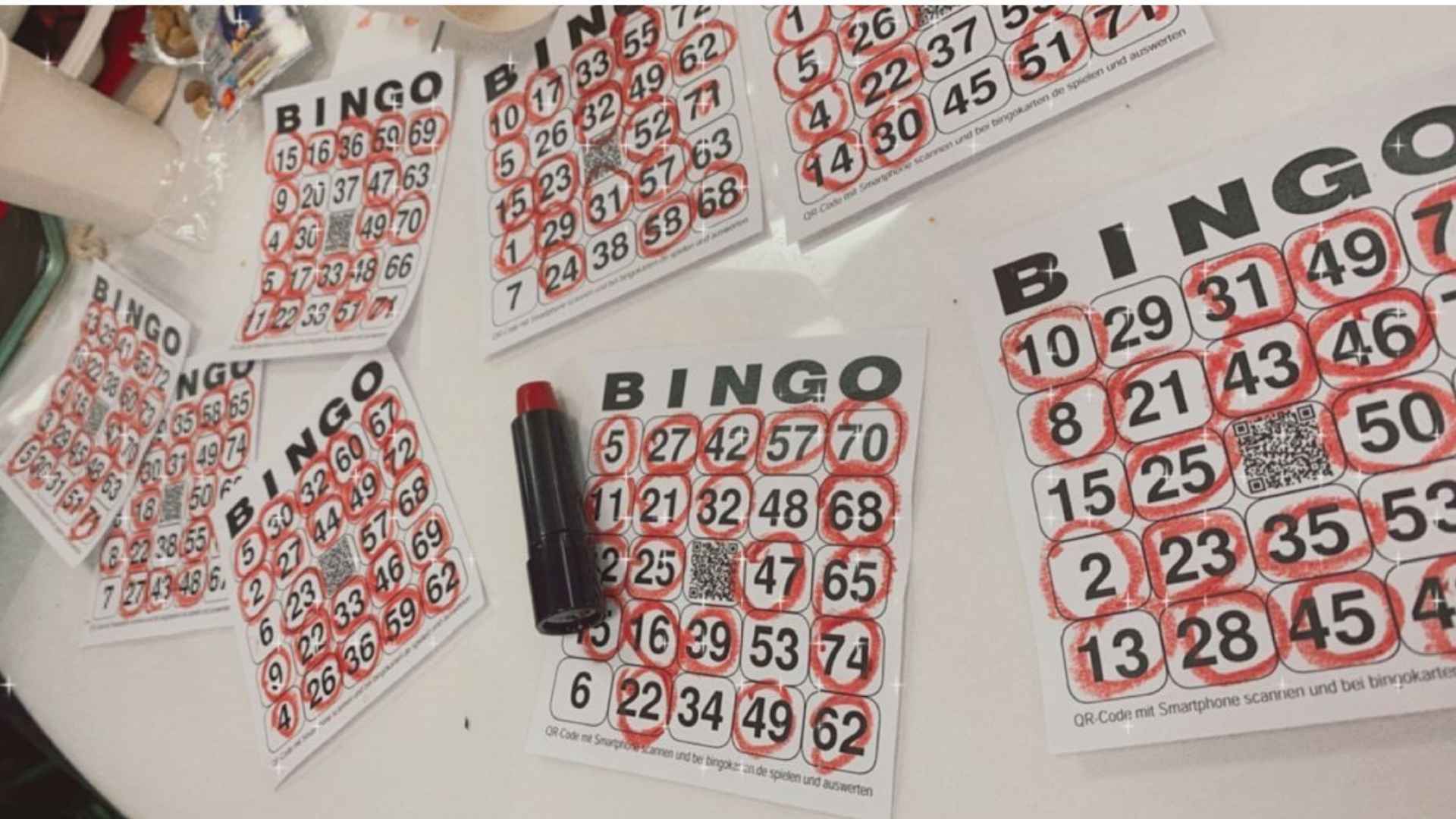
Engaging with numerical puzzles offers far more than a simple way to pass the time during a busy afternoon. For dedicated players, these challenges serve as a gateway to unlocking advanced cognitive abilities and recognizing subtle structural dynamics. By looking beyond the basic arithmetic on the surface, individuals can discover hidden opportunities to elevate their strategic thinking and analytical skills.
The Analytical Advantage of Numeric Patterns
Many players approach grid-based challenges as basic mathematical drills rather than dynamic environments. However, training your mind to identify recurring numerical sequences opens up unique pathways for faster problem-solving. This advanced level of pattern recognition allows individuals to anticipate shifting outcomes before they manifest within the puzzle structure.
Developing this foresight not only enhances your performance within the game but also translates into better decision-making habits in real life. By learning to weigh multiple mathematical variables simultaneously, you cultivate a much sharper sense of spatial logic. Over time, these subtle adjustments transform a casual hobby into a profound mental exercise.
Unlocking Cognitive Flexibility and Focus
Regular interaction with complex digital puzzles provides an exceptional workout for the human brain's working memory. As you navigate intricate restrictions and eliminate impossible outcomes, your mind builds stronger neural connections. This continuous cognitive stimulation helps maintain mental agility and improves information processing speeds across various tasks.
Furthermore, solving a particularly difficult sequence offers a healthy sense of personal accomplishment that can reduce daily stress. Enthusiasts who enjoy tracking data distributions often find similar satisfaction when exploring modern analytical platforms like M88 sports to observe strategic trends. Balancing targeted mental workouts with reliable relaxation techniques is essential for maintaining long-term psychological resilience.
Shifting Formats for Dynamic Progression
Sticking to a single type of numerical puzzle can eventually lead to cognitive stagnation once the basic rules are completely mastered. To continue growing, it is vital to introduce fresh variations that challenge different aspects of your deductive logic. Moving from standard grid systems to statistical matrix games ensures that your adaptive capabilities remain fully active.
Exploring diverse frameworks prevents boredom while expanding your overall understanding of how digits interact within closed environments. Each new set of rules provides an excellent opportunity to discover alternative strategic angles and test your limits. Embracing this continuous variety is the ultimate secret to unlocking the full potential of numerical entertainment.