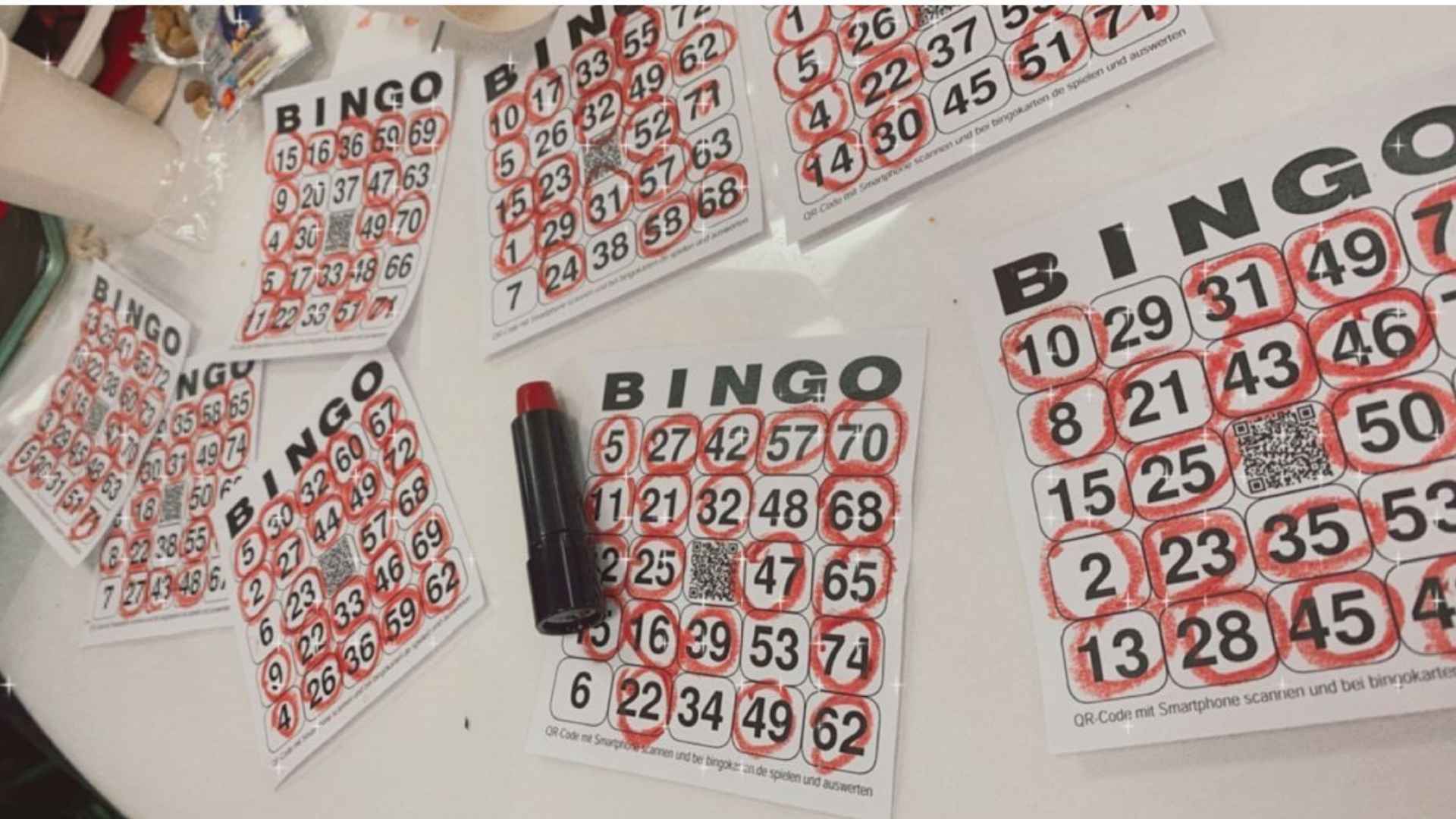
Keno is a classic lottery-style casino game that offers an engaging blend of simplicity, anticipation, and fast-paced drawing action. For beginners stepping into this world, the game provides a highly accessible path toward casual entertainment without demanding complex card-counting skills. Understanding the foundational elements from the ground up will allow you to confidently navigate both live lounges and digital versions.
Understanding the Game Mechanics
The standard framework of the game relies on a grid featuring numbers ranging from 1 to 80. Players initiate a round by selecting a preferred group of numbers, traditionally referred to as spots in classic terminology. Most variations allow you to select anywhere from 1 to 15 numbers before the official draw takes place.
Once all player wagers are locked into the system, the house randomly selects 20 winning numbers from the pool. Your total payout is determined by how many of your chosen spots match the drawn figures. Many digital platforms utilize highly secure algorithms to guarantee that every independent round remains entirely unpredictable.
Navigating the Payout Framework
Every individual game configuration utilizes a structured matrix known as a paytable to calculate potential winnings. The distribution of rewards is directly linked to mathematical probability and the total number of selections you make. Choosing fewer numbers means you need fewer matches to win, though the top potential payouts are scaled down.
Conversely, targeting a high number of spots introduces massive reward tiers but carries a significantly lower probability of hitting every single match. Regular participants often recommend checking the specific rules of your chosen platform to understand the exact margins. Exploring certified interfaces like M88.com helps newcomers study clear payout systems and practice responsible session management.
Building a Practical Session Plan
Approaching the grid with a clear structural plan is the most effective way to keep your gaming experience sustainable and enjoyable. Establishing a strict financial limit before you begin ensures that you always maintain total control over your entertainment budget. Because each independent draw relies on pure randomness, historical results have no statistical bearing on future outcomes.
For everyday participants, picking between four and eight numbers per ticket often creates an ideal balance between risk and reward. This systematic range typically provides a steady frequency of small returns while keeping the overarching momentum engaging. Prioritizing pure entertainment over strict financial expectations will always ensure a much healthier relationship with the game.