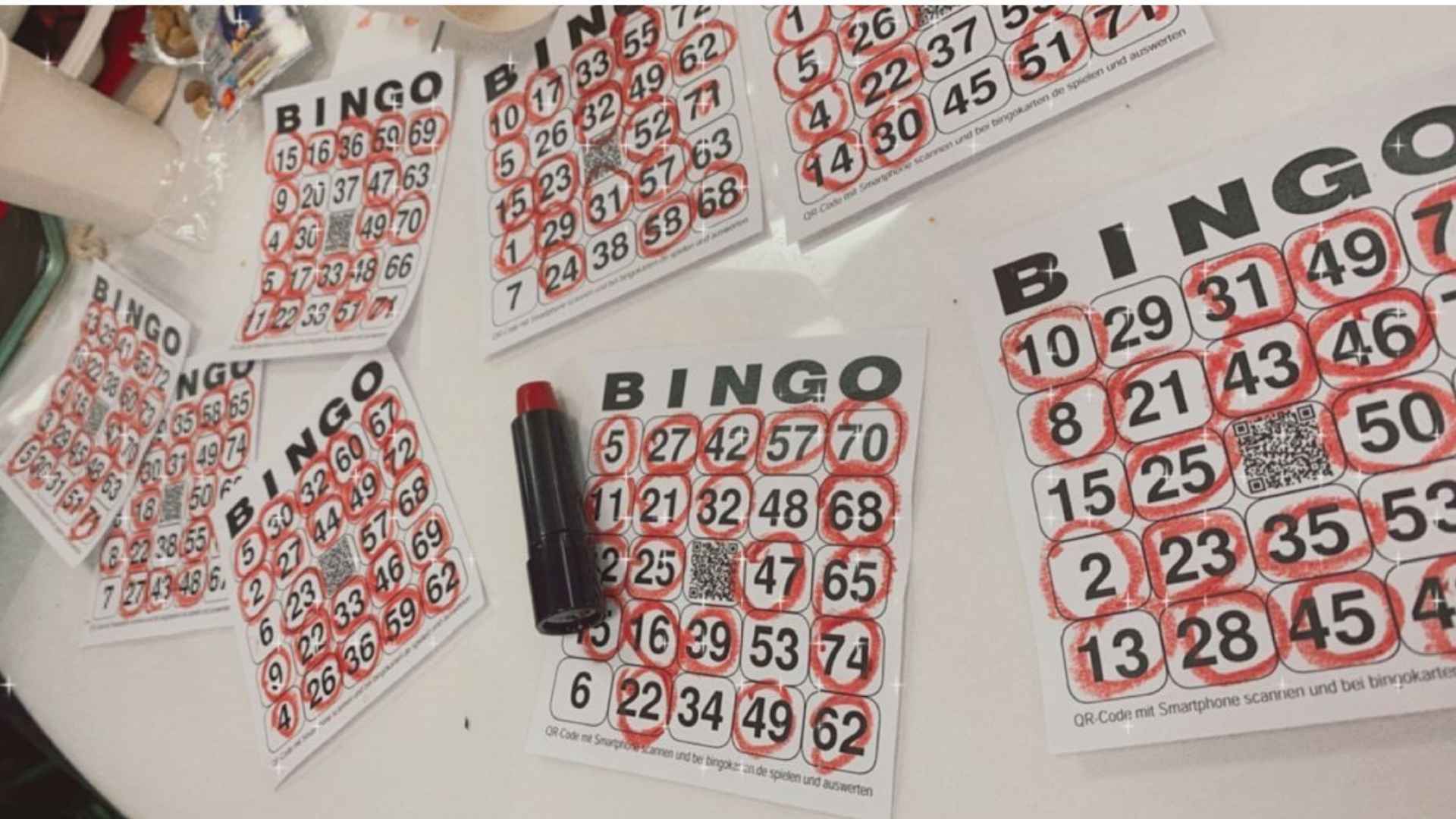
Diving into the world of mathematical uncertainty can be an exciting journey for newcomers looking to improve their analytical mindset. Probability challenges offer a fascinating look into how random events unfold and influence our daily choices. Understanding these basic concepts can help you navigate complex strategic scenarios with much greater clarity and confidence.
Demystifying the Logic of Chance
At its core, probability is simply the mathematical measurement of how likely a specific event is to occur. Beginners often struggle to see the difference between pure randomness and structured patterns, leading to common misconceptions about luck. By learning how to calculate simple ratios, you can begin to analyze unstructured data rather than relying entirely on guesswork.
Every coin toss or dice roll provides a clear illustration of independent events that follow statistical laws. When exploring these interactive mechanics online, selecting an established and trustworthy portal like M88.com can offer a reliable environment to witness digital random number generators in real time. Developing a strong grasp of these core elements is a fundamental first step toward building sharper decision-making skills.
Recognizing Patterns in Random Events
Many new enthusiasts are surprised to discover that random outcomes still distribute themselves in highly predictable ways over long periods. While you cannot guess the exact outcome of a single trial, observing multiple repetitions reveals a stable mathematical balance. This phenomenon is known as the law of large numbers, and it forms the foundation of modern statistical thinking.
Practicing with small simulations allows you to track variables and observe how shifting conditions impact the overall results. It transforms abstract mathematical formulas into accessible visual lessons that anyone can easily enjoy. This structured approach helps reduce the cognitive anxiety often associated with calculating complex numerical data.
Differentiating Between Luck and Strategy
New players frequently encounter difficulties when trying to define where pure chance ends and personal strategy begins. While some challenges rely entirely on blind luck, others allow you to heavily influence the final results through calculated decisions. Recognizing this delicate balance helps you manage expectations and reduces the frustration of unexpected results.
Developing a strategic mindset requires steady observation of recurring operational variations over time. By analyzing previous rounds, you can better estimate future risks and adjust your participation accordingly. This logical methodology transforms traditional gaming concepts into valuable educational tools for risk assessment.
Practical Exercises for Curious Minds
The most effective method for mastering these conceptual rules is to engage in hands-on activities that utilize everyday items like cards or spinners. Focus your attention on identifying the total number of possible outcomes before attempting to evaluate specific risks. This practical baseline will keep your calculations realistic and prevent you from making classic analytical errors.
As you progress, try comparing different scenarios to determine which options carry the highest statistical advantage. Developing this level of critical awareness builds intellectual flexibility that translates perfectly into everyday problem-solving. With consistent and patient practice, navigating the fascinating universe of mathematical uncertainty becomes both simple and deeply satisfying.