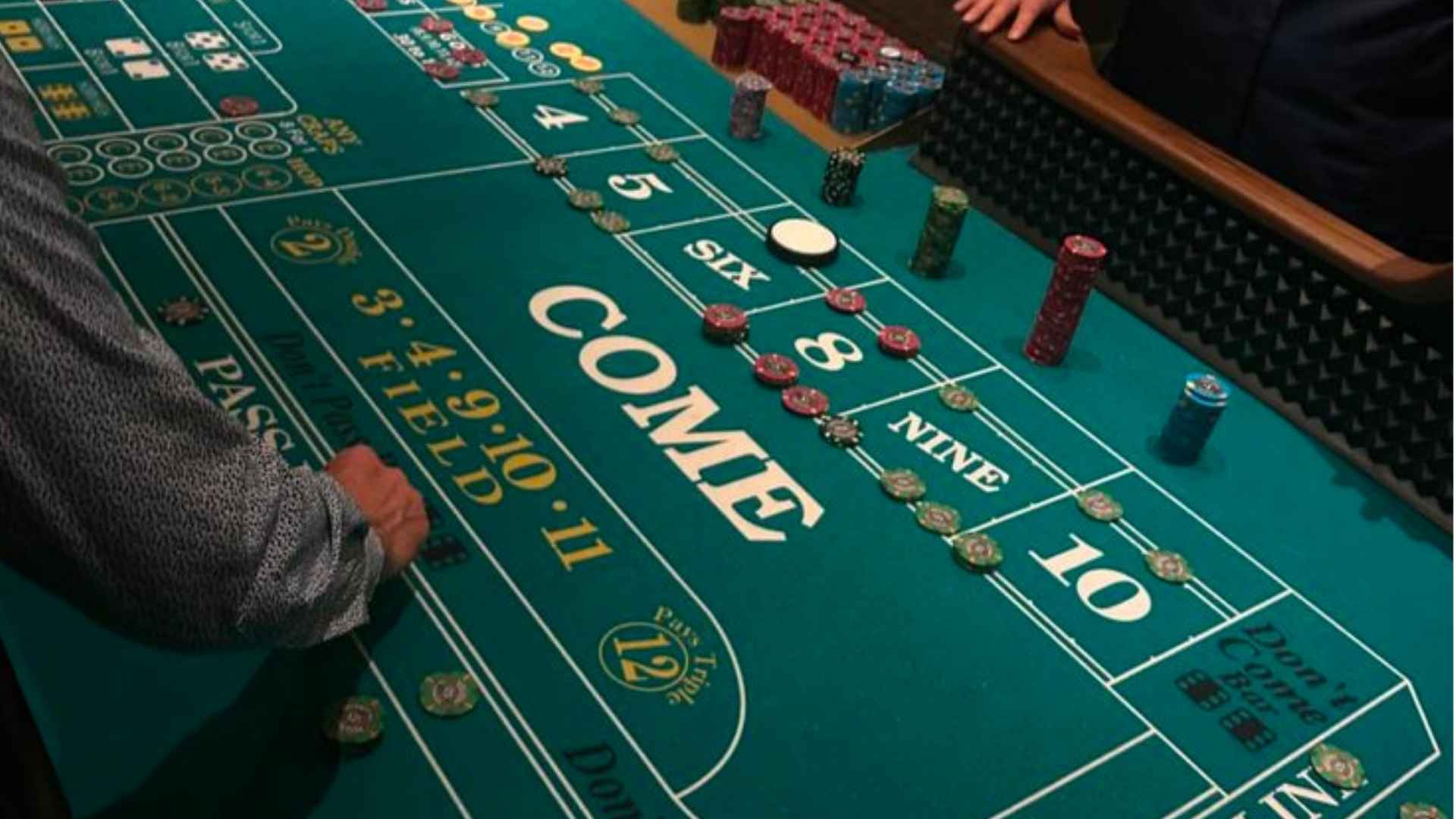
Purely chance-based games have long relied on the simple thrill of random outcomes to capture human attention. However, modern entertainment platforms are discovering that relying solely on luck can lead to early player fatigue. By introducing interactive challenges into randomized structures, developers can significantly enhance user investment and create a much more sustainable entertainment ecosystem.
The Psychology of Agency in Random Environments
When players are faced with entirely random outcomes, they can quickly feel detached from the digital environment. Introducing secondary interactive challenges gives participants a sense of personal agency and partial control over their session. This psychological shift transforms a passive watching experience into an active problem-solving milestone.
Furthermore, human brains thrive on the subtle balance between unpredictability and personal skill. When a platform allows players to make meaningful choices before or during a random event, the emotional reward of winning increases dramatically. This combined format ensures that users remain mentally stimulated throughout their entire playtime.
Layering Skill Based Tasks on Random Mechanics
Modern gaming networks are creatively blending traditional algorithms with mini-tasks that require timing or quick decision-making. For instance, a player might trigger a random spin but must successfully complete a quick-time event to maximize the potential reward tier. This layered architecture keeps the core simplicity intact while offering a deeper narrative progression for dedicated users.
Enthusiasts looking for a platform that balances transparent random distribution with engaging choices often utilize trusted options like m88 link alternatif to find modern game variants. These structured environments ensure that every single interaction feels responsive, clear, and fair. By rewarding active participation alongside pure chance, these platforms successfully minimize the monotony often found in older gaming styles.
Enhancing Replay Value Through Community Milestones
Interactive challenges also pave the way for collaborative or competitive features that connect players globally. Incorporating live leaderboards or group objectives based on random results encourages individuals to share their experiences. This social layer transforms solitary chance games into shared cultural milestones that drive long-term engagement.
When communities work together to unlock premium tiers through collective interactions, the individual experience becomes far more meaningful. Tracking personal progress against global parameters adds a healthy competitive drive to every round. Ultimately, these design upgrades show that interactive elements are essential for evolving traditional random games into modern digital spectacles.