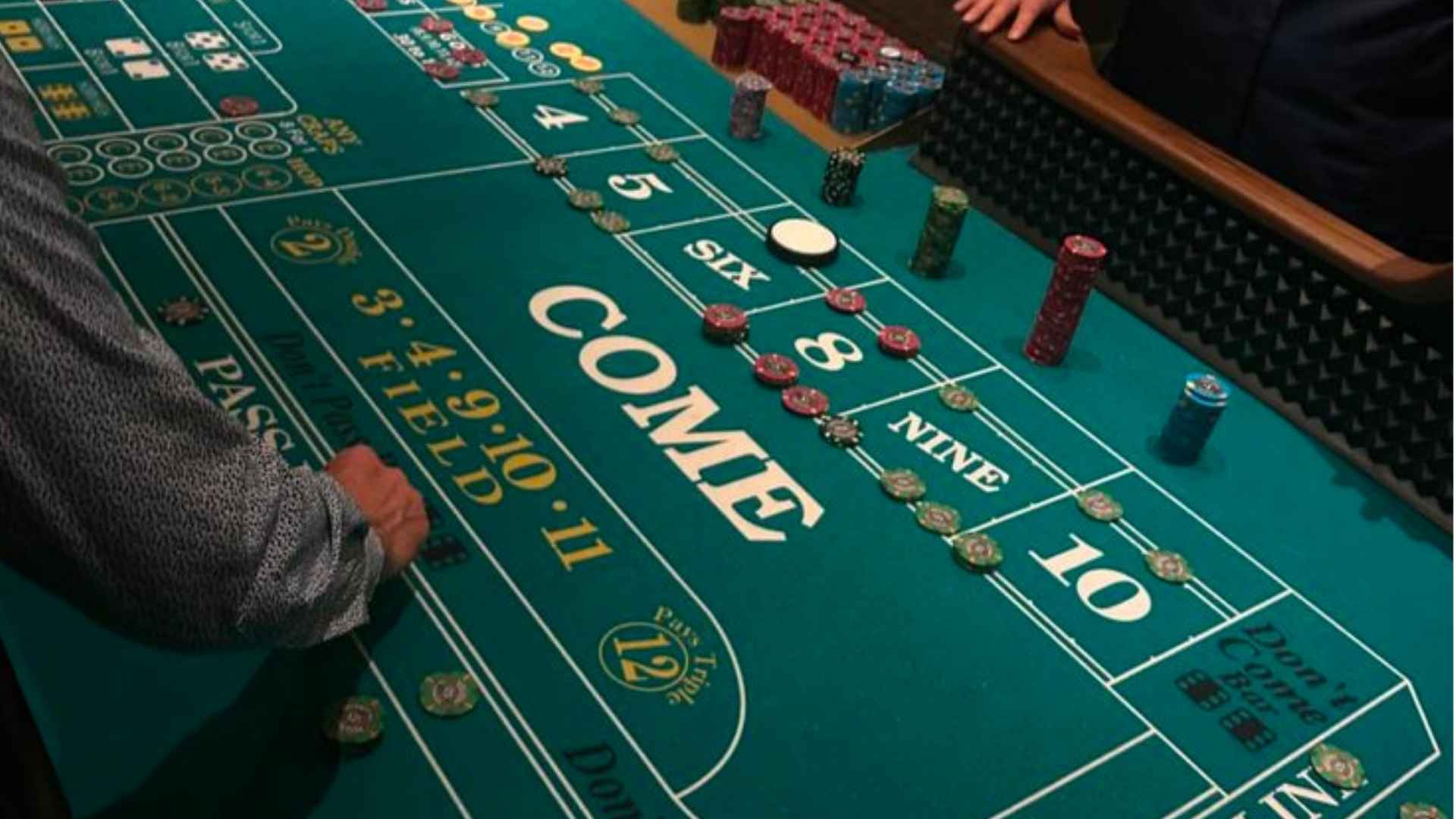
The layout of a traditional tabletop environment influences far more than just individual seating preference or physical comfort during a lengthy session. In classic card and board entertainment, where you sit relative to the distribution point directly defines your access to strategic data. Exploring these geometric setups reveals how historical players used spatial orientation to gain an advantage over their opponents.
The Core of Spatial Data Asymmetry
In traditional gaming setups, your physical placement dictates the exact order of action and situational observation. Acting early forces a participant to commit to a strategy with minimal knowledge about the immediate intentions of the remaining players. Conversely, sitting in a later position grants a complete view of how the rest of the table approaches the current round.
This structural arrangement creates a natural information imbalance that clever participants consistently exploit to mitigate financial exposure. By waiting for others to reveal their choices, late-acting players can accurately gauge the collective confidence of the room. This tactical pause transforms an ordinary round into a highly calculated analysis of human behavior and risk management.
The Rhythm and Pressure of Early Seats
The position located directly to the manager's left is traditionally tasked with establishing the baseline tempo for the entire table. Participants in these early seats must make their choices immediately without the benefit of watching any unfolding reactions or card distributions. This creates a high-pressure environment where players must rely entirely on raw probability and independent hand strength.
Because there is minimal time to hesitate, early positions usually appeal to aggressive strategists who prefer to dictate terms rather than react to others. Their decisions immediately influence the psychological states of everyone remaining in the sequence, forcing a ripple effect across the layout. Understanding this initial pressure is essential for anyone looking to master traditional multi-player mechanics.
Maximizing Tactical Leverage in Late Position
Sitting in the final seats of a dealing rotation offers the highest degree of strategic control over the game flow. These players enjoy the luxury of watching every wager, draw, and behavioral tell manifest before committing their own capital. This extra layer of context helps reduce unknown variables, making speculative moves much safer to execute.
Modern enthusiasts tracking these classic tabletop advantages can utilize a specialized 促销代码 m88 to explore contemporary variations that preserve these identical structural dynamics. Whether engaging in digital formats or physical salons, the power of acting last remains a foundational pillar of successful table strategy. Managing this spatial leverage properly separates casual observers from experienced tactical thinkers.
The Cultural Legacy of Table Architecture
For centuries, elite gambling houses and private clubs meticulously organized their rooms to emphasize these positional hierarchies. The spatial design ensured that every seat carried a distinct reputation and operational burden, elevating simple card games into sophisticated social contests. This rich heritage continues to shape how modern interactive entertainment platforms arrange their seating formats today.
Ultimately, recognizing the importance of position helps players appreciate the deep connection between physical layout and psychological warfare. Every shift in seating completely resets your relationship to risk, information, and table authority. By mastering these traditional spatial elements, enthusiasts gain a more complete perspective on historical gaming evolution.